 |
 |
 |
||
 |
 |
|
 |
||
 |
 |
 |
 |
||
 |
 |
 |
 |
 |
||||
|
||||


 |
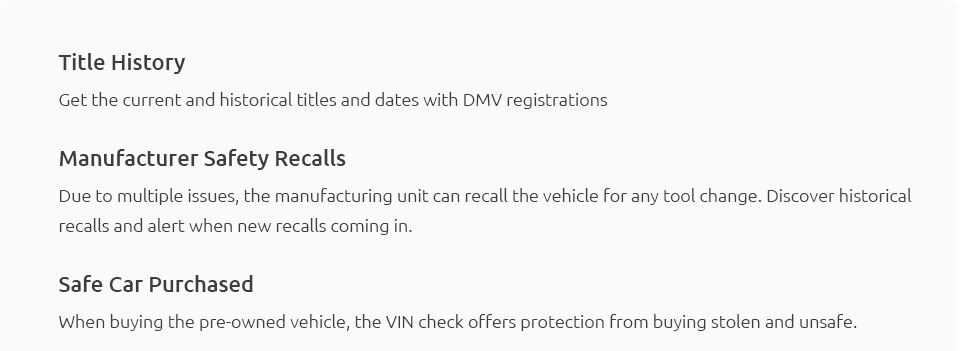
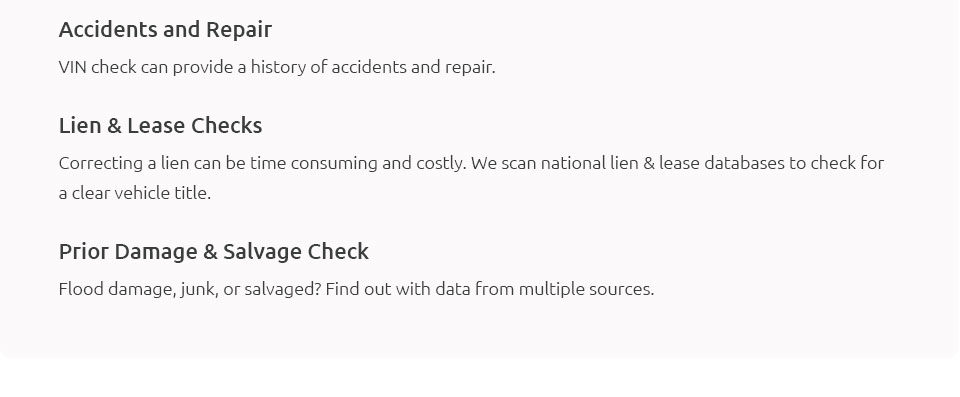
Understanding the Importance of Checking a Car Based on Its VIN NumberWhen it comes to purchasing a vehicle, whether new or used, one of the most critical steps you can take is to check the car based on its VIN number. The Vehicle Identification Number, or VIN, is a unique 17-character code that acts as the car's fingerprint, providing detailed information about its history and specifications. Checking a car based on its VIN can seem daunting at first, but it's an invaluable step in ensuring you make an informed purchase decision. So, what exactly can a VIN tell you about a car? Firstly, the VIN is a treasure trove of information regarding the vehicle's manufacturer, model, and year of production. This is especially important if you're buying a used car and want to ensure that the vehicle's description matches its actual identity. But the VIN isn't just about basic details; it offers a glimpse into the car's past life. By running a VIN check, you can uncover crucial information about the vehicle's history, such as whether it has been involved in any accidents, suffered flood damage, or had its odometer rolled back. Why is this important? Knowing a car's history can save you from future headaches and potential financial pitfalls. For instance, a car that has been in a severe accident may have hidden structural damage that could compromise its safety and performance. Similarly, discovering that a vehicle has a history of odometer tampering can alert you to potential fraud, helping you avoid overpaying for a car with higher mileage than advertised. Beyond accident and damage history, a VIN check can also reveal if the car has any outstanding recalls or if it has been reported as stolen. This is vital information that can affect your decision to purchase the vehicle or negotiate its price. Moreover, checking the VIN can help verify the car's ownership history, giving you peace of mind that you're not inadvertently buying a stolen vehicle.
In conclusion, checking a car based on its VIN number is not just a recommended step; it is an essential one for anyone serious about making a sound automotive investment. By leveraging the wealth of information a VIN provides, you can ensure that you're not only getting a fair deal but also a vehicle that will serve you well for years to come. Whether you're a seasoned car buyer or a first-time shopper, incorporating a VIN check into your purchasing process is a smart move that can offer significant benefits and protect your investment. https://www.edmunds.com/how-to/how-to-quickly-decode-your-vin.html
The letter or number in position 11 indicates the manufacturing plant where the vehicle was assembled. Each automaker has its own set of plant ... https://www.nhtsa.gov/vin-decoder
NHTSA's VIN decoder is publicly accessible at: https://vpic.nhtsa.dot.gov/decoder/. Using NHTSA's VIN Decoder to Identify a Vehicle's Plant of Manufacture. https://www.nicb.org/vincheck
NICB's VINCheck is a free lookup service provided to the public to assist in determining if a vehicle may have a record of an insurance theft claim.
|
